
A transformer is not a commodity. One unit can cost tens of thousands of dollars and sit in service for 20–30 years, so the supplier you pick now shapes your uptime, your electricity bill and your reputation for a long time. China has plenty of good factories — and plenty of middlemen who would like you to think they are factories. This is the short version of how to tell them apart and walk away with a supplier you can actually trust.
Know Who You Are Really Talking To
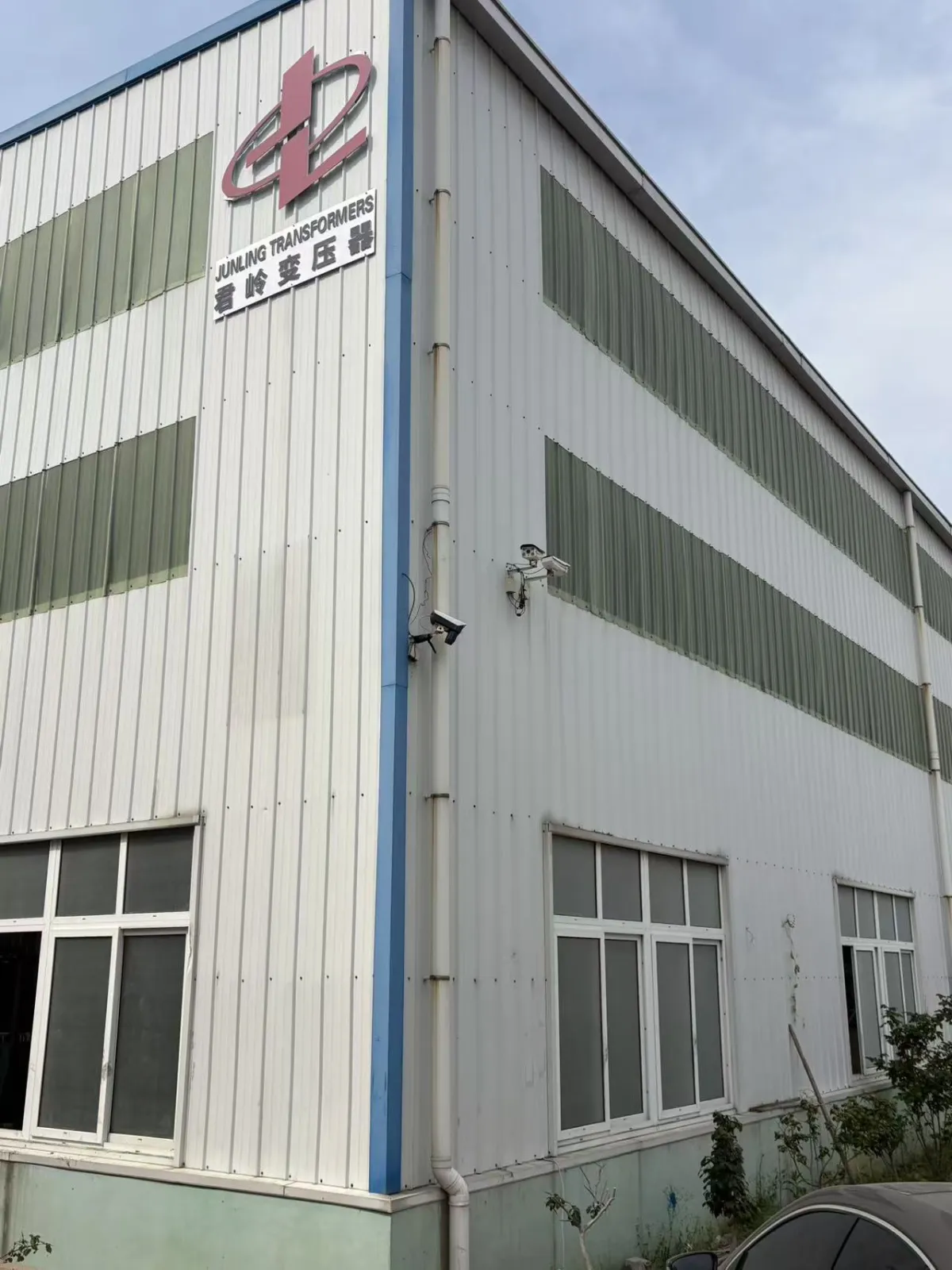
Trading companies are everywhere in China. They buy from factories and resell. For small orders that is fine; for a large or custom transformer you want the actual manufacturer — better control over design, materials and testing, and usually a better price. Ask for a verifiable factory address and recent photos or video of the production floor, the winding line and the testing bay. Check that the business license actually lists transformer manufacturing. If a claimed “monthly output” does not match what a factory their size could realistically make, ask why. A live video call where they walk you around the floor in real time is hard to fake — ask for one early.
Check the Paperwork Before You Trust the Website
The minimum a serious supplier has is ISO 9001 and IEC 60076 type test reports for the products you are buying. Depending on your market, add CE (Europe), KEMA or CESI (international credibility), or GB 20052 (the Chinese efficiency standard). Certificates are a floor, not proof. Look the number up on the issuer's site, make sure the scope actually says transformer design and manufacturing and covers your voltage and kVA range, and that it is still valid.
One thing buyers often mix up: a type test proves a design — it runs once on a sample. A routine test runs on every unit before it ships. A factory you can trust shares both.
Go Look, or Pay Someone To
For orders above roughly USD 100,000, a third-party audit pays for itself. An independent inspector (SGS, TÜV, Bureau Veritas, or a local accredited body) visits the factory, verifies what they claim and reports back. It is the strongest check you can run, and it strengthens your hand in negotiation.
On site, ask how testing works: do they run routine and type tests in-house on calibrated equipment? A factory with its own test bay can catch problems before they reach you — a trader never can. And ask for customer references in your region. A supplier who has already delivered to your market knows your grid, your documentation and your commissioning process. References are only useful if you actually call them; a quick call often reveals more than a written testimonial.
Give Them a Specification, Not a Wish
Most sourcing problems start with a vague request for quotation. A complete one lists: rated power, primary and secondary voltage, frequency, number of phases, winding and vector group, tap changer and range, short-circuit impedance, cooling method, insulation levels, maximum losses, noise limit, ambient conditions, and the standard you need (IEC 60076 or your local one). If the factory comes back asking you what cooling method or vector group you want, treat that as a sign they are not the ones doing the engineering.
Losses are where the real money hides. No-load losses run all the time; load losses grow with use — and both land on your electricity bill for the life of the transformer. Ask for guaranteed numbers and which efficiency tier the design meets. Paying a little more for a more efficient unit usually pays back within a few years.
Price Is the Last Thing to Compare
Quotes do not all mean the same thing. FOB leaves freight and insurance to you. CIF includes them to the port. DDP puts the unit on your doorstep with duties paid. Put every quote on the same basis and add freight, insurance, port and customs before you compare anything. The lowest FOB price is rarely the lowest landed cost.
And transformers are awkward to ship — heavy, oversized, often needing a flat rack or project cargo instead of a container. Where the factory sits relative to your port changes both the freight bill and the lead time. A supplier that exports big units regularly (say, out of Qingdao) is worth more here.
If a quote sits far below the market, find out what was left out — core material, wire, tests, guaranteed losses, documentation. The cheap number on the invoice is not the cost of the asset over its life. And structure payments so you are never fully paid up before you have seen the goods: a deposit, then the balance against shipping documents or an L/C, with milestones tied to evidence such as type test acceptance or a pre-shipment inspection.
Lock Down What Happens After Delivery
Put the warranty in writing: parts only or parts and labor, whether on-site work is included, and how claims are handled. A verbal warranty that quietly excludes field service leaves you paying for travel and installation.
Check that they can supply spare parts and commissioning help in your region. And ask about serial-number traceability — a real manufacturer can track each unit from raw material to shipment, so the unit you receive matches the test records and you are not getting re-labeled or sub-spec goods. Agree the lead time in writing too, and what happens if it slips; a factory that is straight about schedules is usually straight about everything.
Red Flags
A “manufacturer” with no verifiable address or production-floor evidence.
Test reports the issuing body cannot confirm, or that only say “electrical equipment.”
Prices far below the market with no explanation.
No in-house test bay, or resistance to an audit.
A warranty that is verbal only.
No references you can actually contact.
Your Checklist
Before you commit: define the spec, shortlist three to five, verify certificates, tell factory from trader, check references. When quoting: send the full specification, get guaranteed losses, put every quote on one trade term, confirm the freight route. Before ordering: run a third-party audit above USD 100,000, agree payment milestones, get warranty and spares in writing, and agree traceability. After delivery: check the serial number against the test records, get your batch's routine reports, and sort out commissioning.
Qingdao Junling
We are a transformer manufacturer — a factory, not a trader — exporting to Central Asia, Africa, the Middle East and Southeast Asia, with in-house testing and a port at our doorstep. If you are choosing a transformer manufacturer in China, send us your RFQ and we will come back with a straight quote: guaranteed losses, test reports you can verify, and a full landed-cost breakdown. Ask for the checklist or a factory visit. The checking we tell you to do is the checking we expect ourselves.
Copyright © 2026 by Qingdao Junling Transformer Co., Ltd. All Rights Reserved
Privacy Policy

