With the rapid deployment of generative AI and large language models, data center construction worldwide has entered a peak period. According to estimates by the International Energy Agency, the power load of a single hyperscale data center can rival that of a small to medium-sized city, directly driving the need for upgrades to supporting power infrastructure. As the core equipment for power transmission and voltage regulation, transformers are indispensable at every stage—from drawing electricity from the grid to distributing it to server racks. Industry reports show that since 2024, orders for data-center-specific transformers in North America have increased by more than 60% year-over-year, with lead times commonly extending beyond two years.
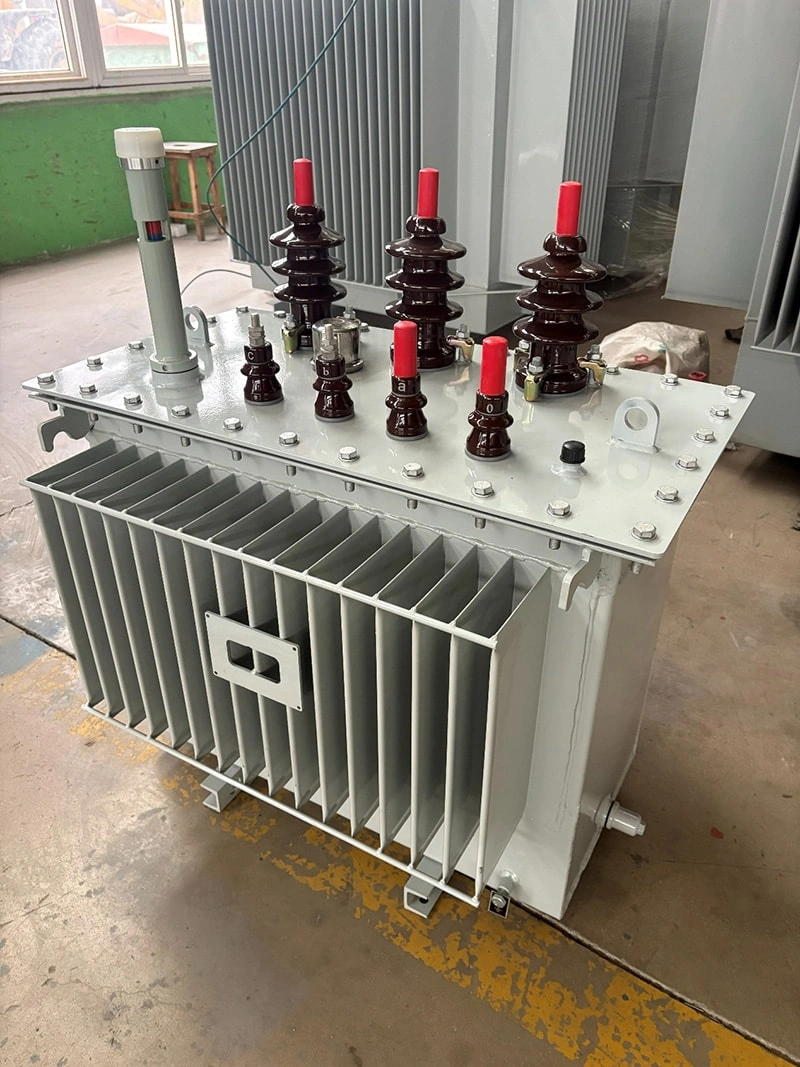
Unlike traditional power transformers, data centers place higher demands on transformers in terms of energy efficiency, heat dissipation, and adaptability to sudden load changes. In response, several leading manufacturers have launched dry-type or liquid-immersed transformers tailored for AI clusters, emphasizing low partial discharge, high overload capacity, and intelligent temperature control. Meanwhile, due to the construction of new projects, suppliers are generally facing tight supplies of raw materials such as copper and grain-oriented silicon steel. Some overseas factories are considering expanding capacity or adding dedicated production lines to meet this structural demand.
Industry forecasts suggest that by 2030, global AI-related infrastructure will drive a new market size increase of more than $20 billion for transformers. Buyers are advised to prioritize manufacturers with UL or IEC certification and those capable of committing to short delivery cycles. Looking ahead, as AI load fluctuations become more frequent, intelligent transformers equipped with digital twin and real-time monitoring capabilities are expected to become the next focal point of technological competition.
Copyright © 2026 by Qingdao Junling Transformer Co., Ltd. All Rights Reserved
Privacy Policy