
Choosing between a dry-type transformer and an oil-immersed transformer is one of the most important decisions in any power distribution project. Pick the wrong one and you face higher lifetime costs, fire or environmental risk, or an installation that fails to meet site and safety requirements. There is no universally "better" type — the right choice depends on your capacity, installation environment, budget and maintenance capability. This guide compares dry-type vs oil-immersed transformers across the factors that actually matter and gives you a step-by-step method to choose the right one for your project.
What Is the Difference Between Dry-Type and Oil-Immersed Transformers?
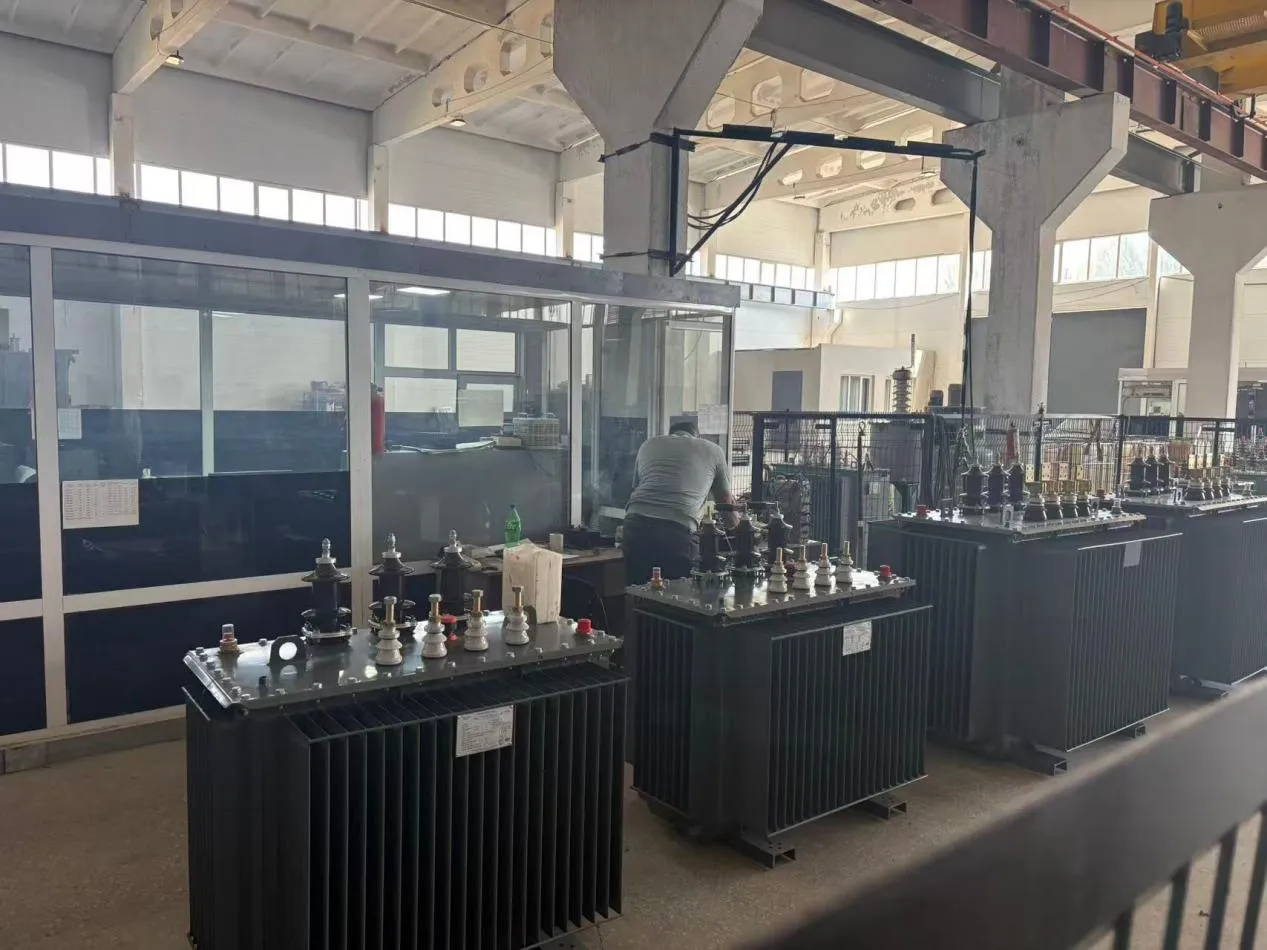
The fundamental difference lies in the cooling and insulation medium. An oil-immersed transformer uses insulating oil — usually mineral oil or a synthetic ester — to cool the windings and provide dielectric insulation. Heat is carried away by the circulating oil and dissipated through the tank's radiators. A dry-type transformer uses air (natural or forced ventilation) or a solid insulating material such as epoxy cast resin; heat is removed by air convection.
This single difference drives almost every other characteristic: fire behavior, installation options, overload capacity, maintenance needs and cost. Understanding it helps you see why one type suits an outdoor utility substation while the other suits a hospital basement or data center.
Dry-Type vs Oil-Immersed: Side-by-Side Comparison
|
Evaluation Factor |
Oil-Immersed |
Dry-Type |
|
Cooling medium |
Mineral oil or ester liquid |
Air (natural or forced) / epoxy resin |
|
Insulation class |
Typically Class A / B / H |
Typically Class F / H / R |
|
Overload capacity |
High; suited to long-term full load |
Limited; up to 150% rating with forced air cooling |
|
Fire risk |
Oil is a fire load; requires fire containment |
Oil-free and non-combustible; flame-retardant (K-class) |
|
Installation environment |
Outdoor / standalone substations mainly |
Indoor, fire-sensitive and confined sites |
|
Maintenance |
Oil sampling, testing and periodic replacement |
Low; no oil management |
|
Noise level |
Generally higher |
Generally lower |
|
Footprint / volume |
More compact at equal capacity |
Generally larger installation space |
|
Initial cost |
Lower (typically 15–25% less than cast-resin dry-type) |
Higher for epoxy cast resin |
|
Lifecycle cost |
Includes oil management and maintenance |
Total lifecycle cost can be lower |
|
Environmental risk |
Oil leakage and soil/water contamination risk |
No soil or water pollution |
Keep this table as your quick reference. The two sections below translate these differences into concrete purchasing guidance.
When to Choose an Oil-Immersed Transformer
Large capacity with continuous, heavy loading. Oil cooling transfers heat efficiently, so oil-immersed units hold temperature better under long-term full load. Typical examples are factory power centers and photovoltaic booster substations.
Outdoor distribution and standalone substations. With the transformer outdoors, the oil fire load is more easily managed through containment and isolation, and the more compact footprint saves space.
Budget-sensitive projects prioritizing first cost. Oil-immersed transformers have a lower unit-capacity cost and are the economical default when a vault and fire containment are acceptable.
Where oil maintenance infrastructure exists. If you already run oil sampling, testing and replacement, an oil-immersed unit fits your existing operations.
When to Choose a Dry-Type Transformer
Indoor installation in occupied or high-density buildings. Dry-type units are oil-free and non-combustible, making them the safe choice for basements, rooftops and buildings where an oil fire load is unacceptable.
Fire- and life-safety-sensitive sites. Hospitals, data centers, commercial complexes, schools and metro systems commonly require flame-retardant, low-smoke transformers.
Environmental requirements with no oil. Where soil or water contamination must be avoided, or where the site sits near water sources, dry-type produces zero oil pollution.
Unattended or low-maintenance operation. With no oil to test or replace, dry-type units reduce ongoing maintenance workload and the need for a trained maintenance crew.
Cost Analysis: Initial vs Lifecycle (TCO)
Do not compare transformers on purchase price alone. An epoxy cast-resin dry-type transformer typically costs 15–25% more upfront than a mineral-oil unit. However, dry-type installation is usually simpler — there is no oil pit or vault — which offsets part of that premium. Over the equipment's service life, dry-type avoids oil sampling, testing, filtration and periodic oil replacement, so its total lifecycle cost can end up similar to or lower than an oil-immersed unit.
Ester-filled liquid transformers can carry a comparable or even higher upfront cost than dry-type, so always evaluate your specific quote rather than relying on general rules. The decision principle is simple: select on total cost of ownership (TCO), not on first price.
Key Standards & Compliance You Should Know
Whichever type you choose, verify the unit meets the standards applicable to your market:
IEC 60076 — the international series covering power transformer rating, performance and testing.
GB 20052-2024 — the energy-efficiency mandatory standard for distribution transformers in China, relevant for units sourced from Chinese manufacturers.
Overload and insulation standards — confirm the insulation class (A/B/H for oil, F/H/R for dry-type) matches your duty cycle.
Export certification — for overseas projects, confirm required local certification such as SIRIM in Malaysia or equivalent market-specific approvals before you finalize the specification.
Confirming compliance early avoids costly re-engineering and keeps your project on schedule.
How to Choose: Step-by-Step Decision Guide
Use the following four checks to converge on the right transformer type for your project:
Installation location. Indoor, underground or high-occupancy building? Favor dry-type. Outdoor or standalone substation? Oil-immersed is usually more suitable.
Capacity and load profile. Large capacity, continuous full load or heavy overload? Oil-immersed cooling handles it better. Smaller or intermittent loads? Dry-type works well.
Fire and environmental requirements. Fire-sensitive or environmentally protected sites favor dry-type's oil-free, non-combustible design.
Budget and TCO. Tight budget and acceptable oil containment favor oil-immersed; long-term ownership and low maintenance favor dry-type.
Conclusion
Neither a dry-type nor an oil-immersed transformer is automatically superior — the correct choice depends on your installation environment, capacity and load profile, fire and environmental requirements, budget and maintenance capability. In short: choose oil-immersed for large-capacity, outdoor and cost-sensitive utility and industrial applications; choose dry-type for indoor, fire-sensitive, low-maintenance and environmentally protected sites.
Still unsure which transformer suits your project? Send us your voltage, capacity and installation conditions — our engineers will recommend the right unit and provide a quotation tailored to your site.
Copyright © 2026 by Qingdao Junling Transformer Co., Ltd. All Rights Reserved
Privacy Policy

